
Unveiling the myths surrounding casino gambling
Understanding the Nature of Casino Games
Casino games are often perceived as a straightforward way to win money, but the reality is far more nuanced. Many people believe that these games are purely based on luck, which underestimates the strategic elements involved. Games like poker, for example, require a deep understanding of psychology and probability, and successful players invest time into studying their opponents and refining their strategies, particularly in contexts such as online pokies australia real money where skill can influence the outcome. This blend of skill and chance creates a complex environment where not all outcomes can be left to fate.
Moreover, different games come with varying odds and house edges, meaning that some games provide better long-term returns for players than others. Slot machines may seem appealing due to their simplicity, but they typically have a higher house edge compared to table games like blackjack or baccarat. Understanding these variations can greatly influence a player’s choice and overall experience at a casino, reshaping their expectations of winning.
Furthermore, many newcomers to the casino world are unaware of the importance of bankroll management. Individuals who enter a casino with a clear understanding of their limits and a strategy for their spending tend to have a more enjoyable and potentially profitable experience. This reinforces the idea that successful gambling is not merely about luck; it involves a mixture of strategy, patience, and self-discipline.
Debunking the “Hot” and “Cold” Streaks Myth
The belief in “hot” and “cold” streaks is one of the most pervasive myths in casino gambling. Players often think that if a slot machine or a table game has paid out multiple times in a row, it is “hot,” suggesting that the machine is more likely to continue producing wins. Conversely, when players face losses, they might consider the game to be “cold” and avoid it altogether. This mindset is misleading, as each spin on a slot machine or each hand in a table game is independent of previous outcomes.
In reality, casinos operate on random number generators (RNGs) for electronic games, which ensure that each outcome is random and unaffected by what has occurred previously. This means that the odds do not change based on recent winnings or losses, negating the concept of streaks altogether. Understanding this can help players adopt a more rational approach to gambling, reducing the likelihood of making emotional decisions based on perceived patterns.
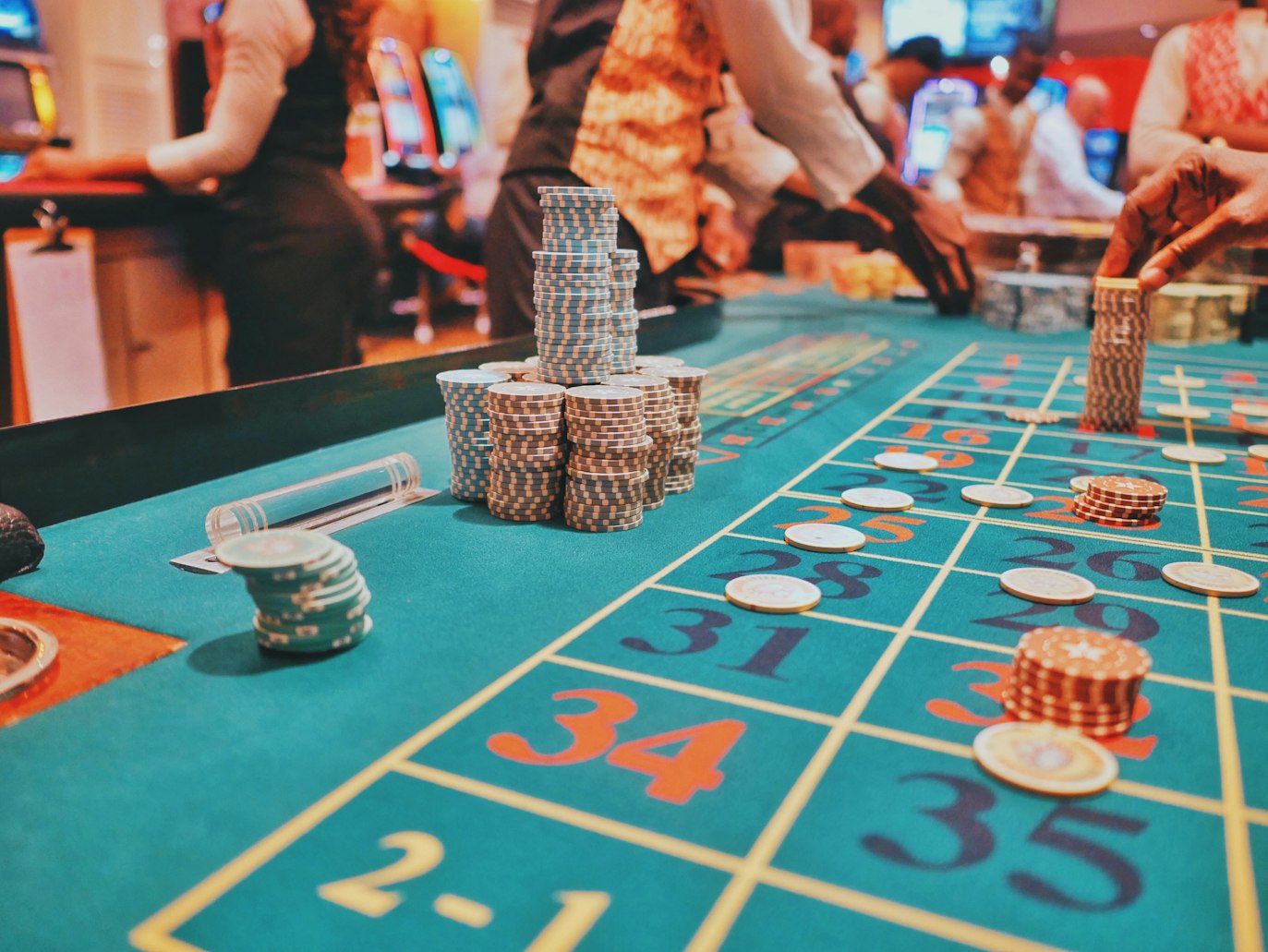
Many seasoned players emphasize the importance of understanding the randomness of the games and encourage new players to take time to learn the intricacies before jumping into betting. A focus on strategy, rather than perceived streaks, can lead to a more informed and ultimately more successful gambling experience. By demystifying these trends, players can re-evaluate their strategies and expectations when they engage in gambling activities.
The Myth of Guaranteed Winning Systems
Another widespread myth surrounding casino gambling is the idea that there are guaranteed winning systems or strategies that can ensure consistent profits. Various systems, such as the Martingale strategy in roulette or betting progressions in blackjack, claim to provide players with a foolproof way to win. While these systems may offer some structure to betting approaches, they fail to account for the inherent risks and variances associated with gambling.
For instance, the Martingale system requires players to double their bets after losing, which can quickly lead to substantial financial losses when faced with a losing streak. Additionally, most casinos impose betting limits that can thwart the effectiveness of these systems, making them impractical for long-term use. Thus, while players may feel a sense of control by employing such methods, they often lead to greater financial strain rather than guaranteed success.
Ultimately, the most effective strategy for gambling revolves around informed decision-making, realistic expectations, and sound bankroll management. Acknowledging that no system can change the built-in advantage the house has is essential for anyone looking to engage in casino gambling responsibly. By focusing on entertainment rather than profit, players can enhance their experience and minimize the potential for negative outcomes.
The Illusion of Control and Skill
Many players enter casinos with the belief that they can exercise control over game outcomes through skill, strategy, or behavioral patterns. This illusion of control can lead to reckless betting and poor strategies. While skill-based games like poker do indeed involve elements of player choice and decision-making, many other casino games are designed purely on randomness, rendering these skills irrelevant.

For example, when playing games like roulette or slots, the outcome is determined by factors beyond a player’s control, such as the spin of the wheel or the draw of a card. Players may believe that they can influence these outcomes through specific behaviors, such as physical actions or choosing particular machines, but this is largely a psychological construct with no basis in reality. Recognizing that these games operate independently of player influence is critical for developing a more grounded approach to gambling.
The psychological aspect of gambling can also lead to behaviors like chasing losses, which often exacerbates financial difficulties. By understanding the limits of skill and the reality of randomness in many casino games, players can work towards cultivating a healthier mindset, focusing on enjoyment rather than on the fallacy of control. Embracing the randomness and unpredictability inherent in gaming allows players to appreciate the experience for what it is, rather than as a vehicle for guaranteed winnings.
Exploring Responsible Gambling Resources
Responsible gambling is an essential topic not often addressed in casual discussions about the casino experience. Many myths perpetuate around gambling, from the notion that it is a surefire way to make money to the misconception that losing can be recovered through continued play. These beliefs can lead to harmful behavior and financial distress, underscoring the need for responsible gambling practices and available resources.
Many casinos and online platforms offer tools and support for responsible gambling, including features that allow players to set limits on their spending and playing time. These resources aim to foster accountability and encourage players to engage in gambling as a form of entertainment rather than a means of income. Understanding how to utilize these tools can significantly impact a player’s experience, helping them maintain control over their gambling activities.
The importance of seeking help cannot be overstated, especially for individuals who find themselves struggling with gambling. Many organizations and hotlines provide assistance and support for those affected by gambling addiction. By prioritizing responsible gambling and leveraging available resources, individuals can navigate the complex landscape of casino gambling more effectively while minimizing the risks associated with excessive play.